Ever wondered why your car insurance rates seem to have a mind of their own? In the ever-changing landscape of Massachusetts, various factors come into play, shaping the cost of your premiums. Understanding these elements can not only save you money but also provide peace of mind. Let’s embark on a journey to unravel the mysteries behind your car insurance rates.
Imagine having the power to control what you pay—knowledge is your ally. Armed with insights on demographics, driving habits, and more, you’ll be equipped to navigate the insurance world like a pro. Join us as we explore the key factors affecting car insurance rates in Massachusetts, empowering you to make informed decisions.
Demographics Impact
When it comes to car insurance rates in Massachusetts, understanding the role of demographics can be the key to unlocking potential savings. Your age, gender, and marital status are not just numbers—they are significant factors in determining how much you pay for car insurance.
Insurance companies evaluate these demographic variables to assess risk levels and set premiums accordingly. From young drivers facing higher rates to married couples enjoying discounts, let’s dive into how these aspects shape your insurance costs.
The Age Factor in Insurance Rates
Age is a critical determinant of car insurance premiums in Massachusetts. Younger drivers, particularly those under 25, often face higher rates due to perceived inexperience and higher accident rates. In contrast, older, more experienced drivers may see their rates decrease with time.
“Youth is a gift of nature, but insurance rates are a gift of experience.”
For example, a 20-year-old driver might pay significantly more than a 35-year-old with a clean driving record. As a driver ages into their 60s and beyond, they may again see rates increase, reflecting potential health-related risks.
Gender’s Role in Insurance Premiums
The impact of gender on car insurance rates is nuanced and varies significantly. Statistically, male drivers are often considered higher risk than their female counterparts, leading to elevated premiums for young men.
While the gap narrows with age, insurance companies often apply gender-based assessments to tailor their premiums. This difference is typically more pronounced during the early driving years:
| Age Group | Male Average Annual Premium | Female Average Annual Premium |
|---|---|---|
| 16-20 | $3,200 | $2,900 |
| 21-25 | $2,400 | $2,200 |
| 26-30 | $1,800 | $1,750 |
Marital Status and Insurance Costs
Your marital status can also influence your insurance rates. Married drivers often benefit from lower premiums, as they are statistically seen as more stable and less likely to file claims.
“Marriage is a partnership, and in the eyes of insurers, it’s a safer journey.”
For instance, a single 30-year-old might face higher rates compared to a married individual of the same age, driving a similar vehicle. This discount can serve as an incentive for married couples to combine insurance policies, amplifying their savings.
Driving Record Considerations
When you hit the road, your driving record is like a report card that insurance companies scrutinize meticulously. A spotless record can be your ticket to affordable insurance premiums, while any blemishes can drive up costs significantly.
Insurance companies in Massachusetts place a heavy emphasis on your driving history because it provides insights into your behavior and potential risk as a driver. A clean driving record not only enhances your safety but also keeps your insurance rates in check.
Impact of Traffic Violations on Insurance Rates
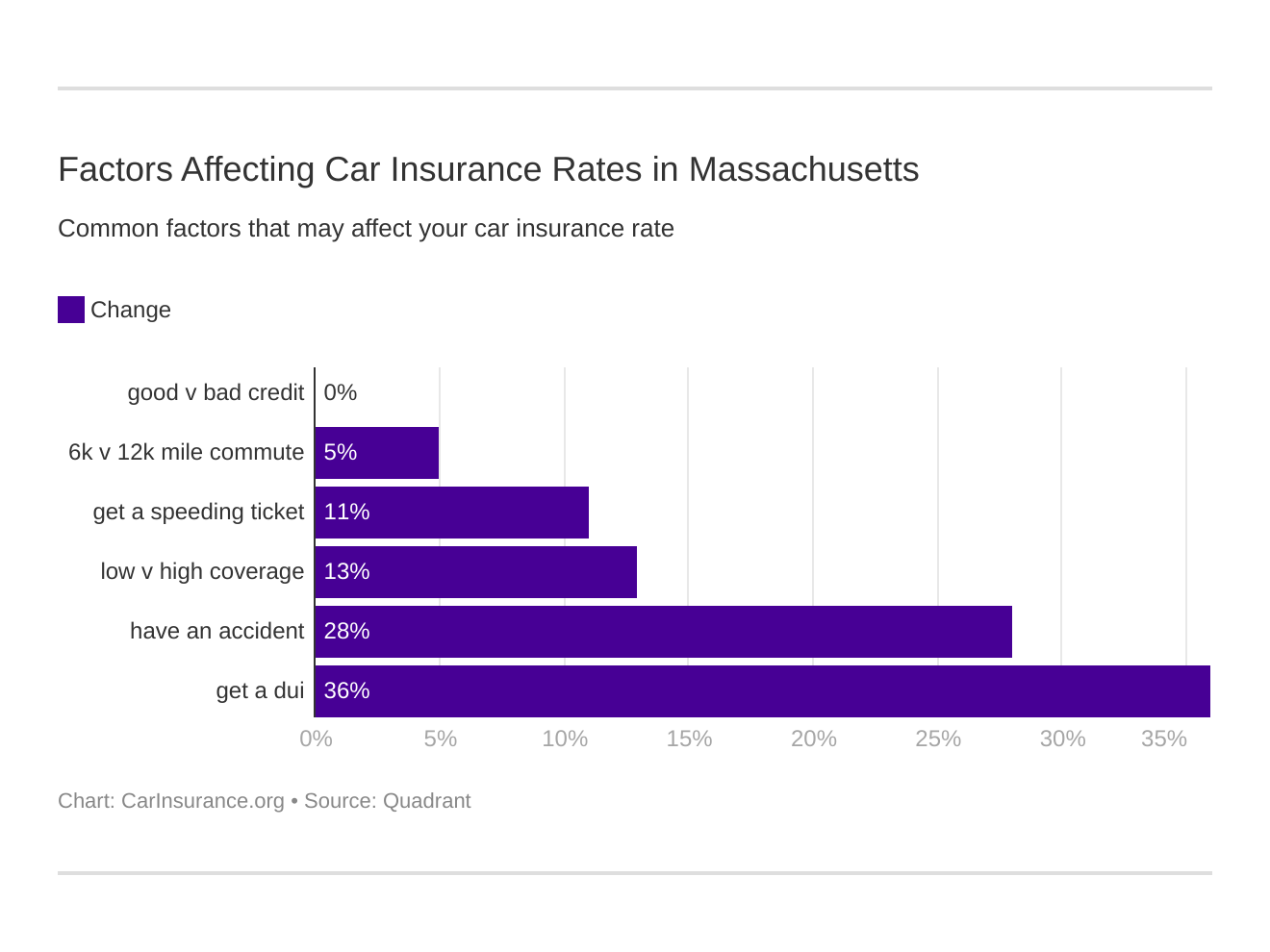
Every time you receive a ticket or are involved in an accident, it sends a signal to insurers, indicating a heightened risk. Here’s how certain infractions can affect your premiums:
- Speeding Tickets: Even a minor speeding violation can result in a noticeable rate increase.
- Accidents: Causing an accident can have long-lasting effects, raising your rates for years.
- DUI/DWI: Driving under the influence is a major red flag, often leading to significant surcharges.
- Reckless Driving: This serious violation can drastically elevate your insurance costs and even lead to policy cancellations.
Methods to Improve Your Driving Record
Improving your driving record is not just about reducing insurance costs; it’s about becoming a more responsible driver. Here are some strategies to help you polish your record over time:
- Take Defensive Driving Courses: Many insurers offer discounts if you complete an approved course.
- Practice Safe Driving Habits: Always wear a seatbelt, obey speed limits, and avoid distractions.
- Stay Informed: Regularly check your driving record to ensure there are no errors.
- Be Patient: Traffic violations generally impact your rates for three to five years, after which they may be removed from your record.
“A clean driving record is the cornerstone of affordable insurance premiums.”
Vehicle Type and Features
When it comes to car insurance rates, the type of car you drive can make a world of difference. Whether you’re cruising in a compact car or speeding in a sports car, insurers consider your vehicle’s characteristics closely.
Understanding how different vehicles affect insurance costs can help you make informed decisions that could save you money.
Influence of Vehicle Types on Insurance Costs
The type of vehicle you drive is a significant factor in determining your insurance rate. SUVs, for example, generally have higher insurance premiums due to their size and the potential damage they can cause in an accident. On the flip side, sedans are often cheaper to insure because they rank lower in repair costs and are generally safer.
However, if you own a luxury car, be prepared for higher premiums. Luxury vehicles are not only costly to repair but also popular targets for theft, increasing their insurance risk profile.
Role of Vehicle Safety Features on Premium Reductions
Investing in a car brimming with safety features can be a savvy move. Enhanced safety features such as anti-lock brakes, adaptive headlights, and advanced airbag systems could earn you discounts on your insurance premium. Insurers love vehicles that prioritize safety because they reduce the likelihood and severity of accidents.
“The safer your car, the safer your wallet.”
Before purchasing a vehicle, check with your insurer to confirm which safety features provide premium discounts.
High-Performance Vehicles and Their Insurance Impact
Owning a high-performance vehicle comes with its own set of insurance challenges. These cars, designed for speed and agility, often lead to higher insurance premiums. Why? Because their build encourages fast driving, which increases accident risk. Not to mention, they can be expensive to repair or replace.
If you’re a proud owner of a high-performance car like a sports coupe, expect to pay a premium for the thrill.
| Vehicle Feature | Potential Insurance Impact |
|---|---|
| Anti-lock Brakes | Decreases premiums |
| High Engine Power | Increases premiums |
| Advanced Airbags | Decreases premiums |
| Convertible Top | Increases premiums |
Location and Residency
When it comes to car insurance rates in Massachusetts, where you park your car matters just as much as how you drive it. Your place of residence can have a surprisingly significant impact on the insurance premiums you pay.
Whether you live in the bustling city streets of Boston or the serene landscapes of the Berkshires, location is a key player in determining your car insurance rates. Let’s delve into how different environments within Massachusetts influence these costs.
Urban Versus Rural Rate Differences
Living in an urban area often means higher car insurance premiums. Cities generally have higher traffic densities, which can lead to more accidents and potential claims. Conversely, rural areas tend to offer more affordable rates due to less congestion and fewer incidents.
“Insurance providers weigh the risks of urban living, such as increased traffic, against the peaceful driveways of the countryside.”
Data suggests that urban residents face steeper insurance costs due to factors like:
- Higher traffic volumes leading to increased accident rates.
- Greater likelihood of vehicle theft and vandalism.
Local Crime Rates Influence
Your neighborhood’s crime rate is another critical factor. High crime areas, particularly those with prevalent car theft, can spike insurance rates. This is because insurers perceive a greater risk of having to cover stolen vehicles or damages from break-ins.
“A neighborhood’s safety profile can be as decisive in shaping car insurance costs as the make and model of your car.”
Insurers often look at past data to anticipate future claims, and areas with a history of frequent claims are likely to have higher premiums. Thus, living in a low-crime area doesn’t just grant peace of mind but also potentially lowers insurance costs.
Coverage Levels and Deductibles
In the world of car insurance, Massachusetts drivers are presented with a spectrum of choices that can significantly influence their premiums. Navigating through coverage levels and deductibles can seem daunting, but understanding these variables is crucial for making informed decisions.
Choosing different coverage levels can either lighten your financial burden or offer you more comprehensive protection, depending on your specific needs. Likewise, the deductible you select can alter the cost of your policy and your out-of-pocket expenses in the event of a claim.
Understanding Coverage Levels
Selecting the right coverage level is akin to choosing a safety net’s size. Higher coverage levels provide more extensive protection but come with higher premiums. Conversely, opting for the state’s minimum coverage may reduce your premiums but leave you vulnerable to greater financial risk.
Decoding Deductibles
Deductibles play a pivotal role in determining the cost of your insurance policy. A higher deductible typically means lower premiums, as you agree to pay more out of pocket in case of a claim. On the flip side, lower deductibles increase your premium but reduce your financial obligation if an accident occurs.
Strategies for Selecting Coverage in Massachusetts
When it comes to choosing the right coverage, consider your unique situation and driving habits. Are you driving a newer vehicle? Opt for comprehensive and collision coverage for better protection. If you’re driving less frequently, you might scale back on certain options to save on costs. Striking a balance is essential.
“In Massachusetts, understanding your coverage options and deductible choices is key to managing your insurance expenses wisely.”
To illustrate the potential impact of different choices, consider the following comparison of coverage options and costs:
| Coverage Option | Premium Cost | Deductible |
|---|---|---|
| State Minimum | Low | High |
| Standard Coverage | Moderate | Moderate |
| Comprehensive | High | Low |
By carefully considering and comparing these options, Massachusetts drivers can better align their insurance policies with their financial capabilities and risk tolerance.
Discounts and Offers
It’s no secret that car insurance can be pricey, but Massachusetts drivers have plenty of opportunities to save through various discounts and offers. These can significantly reduce premium costs, making coverage more affordable.
Insurance companies offer a range of discounts tailored to different needs and situations, and understanding them can unlock substantial savings. From bundling policies to maintaining a clean driving record, the possibilities are abundant.
Exploring Multi-Policy Discounts and Their Benefits
One way to shave off a considerable amount from your insurance premiums is through multi-policy discounts. By bundling your auto insurance with other types of insurance, like home or renters insurance, you not only streamline your insurance management but also enjoy significant cost reductions. Insurers appreciate the loyalty and often reward it with discounts that can range from 5% to 25% off your total premiums.
- Combine auto and home insurance for a substantial discount.
- Add life insurance to your bundle for even greater savings.
- Keep all policies with one insurer to maximize discounts.
Embracing Loyalty Rewards for Long-term Savings
Loyalty has its perks, especially in the realm of car insurance. Many companies offer loyalty rewards to long-term clients, with benefits that can accumulate over time. This includes not only potential premium reductions but also perks like accident forgiveness or waived fees.
By sticking with the same insurer for a set number of years, you might find yourself eligible for:
- Annual premium discounts for each year you renew.
- Special loyalty programs with exclusive offers.
- Accident forgiveness after a certain period without claims.
“Loyalty is not just staying with the same insurance company, but building a history that could save you a fortune down the line.”
Summary
As we conclude this enlightening exploration, remember that knowledge is your greatest asset in the quest for affordable car insurance. By understanding the impact of demographics, driving records, vehicle choices, location factors, coverage levels, and available discounts, you’re not just a policyholder—you’re a savvy navigator in the realm of car insurance. Embrace this newfound wisdom and drive confidently, knowing you’ve unlocked the secrets to securing the best rates in Massachusetts.

